ລາວ
- English
- Español
- Português
- русский
- Français
- 日本語
- Deutsch
- tiếng Việt
- Italiano
- Nederlands
- ภาษาไทย
- Polski
- 한국어
- Svenska
- magyar
- Malay
- বাংলা ভাষার
- Dansk
- Suomi
- हिन्दी
- Pilipino
- Türkçe
- Gaeilge
- العربية
- Indonesia
- Norsk
- تمل
- český
- ελληνικά
- український
- Javanese
- فارسی
- தமிழ்
- తెలుగు
- नेपाली
- Burmese
- български
- ລາວ
- Latine
- Қазақша
- Euskal
- Azərbaycan
- Slovenský jazyk
- Македонски
- Lietuvos
- Eesti Keel
- Română
- Slovenski
- मराठी
- Srpski језик

ຄອນໂຊລອັດສະລິຍະຂອງສູນການຈັດສົ່ງສາມາດປັບປຸງການຕອບໂຕ້ສຸກເສີນໄດ້ບໍ?
ໃນລະຫວ່າງການໄຟຟ້າ, ການຂັດຂວາງການຈາລະຈອນ, ຫຼືເຫດການອຸດສາຫະກໍາ, ການຕອບສະຫນອງສຸກເສີນແມ່ນຂຶ້ນກັບວິທີທີ່ຄົນເຮົາສາມາດປ່ຽນຂໍ້ມູນທີ່ກະແຈກກະຈາຍໄປສູ່ການປະສານງານຢ່າງໄວວາ. ອັນຄອນໂຊລອັດສະລິຍະຂອງສູນການຈັດສົ່ງສາມາດສະຫນັບສະຫນູນຂະບວນການນີ້ໂດຍການຈັດຕັ້ງຂໍ້ມູນທີ່ສໍາຄັນ, ປັບປຸງການສື່ສານ, ແລະຊ່ວຍໃຫ້ຜູ້ປະຕິບັດງານຮັກສາທັດສະນະທີ່ຊັດເຈນກ່ຽວກັບການພັດທະນາສະຖານະການ.
ເປັນຫຍັງການຈັດສົ່ງສຸກເສີນມັກຈະສູນເສຍເວລາທີ່ມີຄຸນຄ່າ
ເຫດການສຸກເສີນບໍ່ຄ່ອຍປະຕິບັດຕາມລໍາດັບທີ່ຄາດເດົາໄດ້. ຫ້ອງຄວບຄຸມອາດຈະໄດ້ຮັບສັນຍານເຕືອນຈາກລະບົບການຕິດຕາມ, ໂທລະສັບຈາກທີມງານພາກສະຫນາມ, ການປັບປຸງສະຖານະການອຸປະກອນ, ແລະການຮ້ອງຂໍຈາກຫຼາຍພະແນກພາຍໃນນາທີ. ແຕ່ລະຂໍ້ຄວາມອາດຈະເປັນປະໂຫຍດ, ແຕ່ສິ່ງທ້າທາຍທີ່ແທ້ຈິງແມ່ນການເຂົ້າໃຈວິທີການທີ່ຂໍ້ມູນສອດຄ່ອງກັນ.
ເມື່ອຜູ້ປະຕິບັດການຕ້ອງປ່ຽນເລື້ອຍໆລະຫວ່າງຫນ້າຈໍ, ເຄື່ອງມືການສື່ສານແລະບັນທຶກຄູ່ມື, ລາຍລະອຽດທີ່ສໍາຄັນສາມາດຖືກມອງຂ້າມ. ສອງພະແນກອາດຈະເຮັດວຽກຈາກການປັບປຸງທີ່ແຕກຕ່າງກັນ, ໃນຂະນະທີ່ທີມງານພາກສະຫນາມລໍຖ້າການຢືນຢັນກ່ອນທີ່ຈະດໍາເນີນການ.
ຄວາມລ່າຊ້າເຫຼົ່ານີ້ບໍ່ຈໍາເປັນຕ້ອງມີຜົນມາຈາກການຂາດຂໍ້ມູນ. ໃນຫຼາຍໆກໍລະນີ, ບັນຫາແມ່ນວ່າຂໍ້ມູນມາຮອດຜ່ານຊ່ອງທາງແຍກຕ່າງຫາກໂດຍບໍ່ມີຮູບພາບປະຕິບັດງານຮ່ວມກັນ.
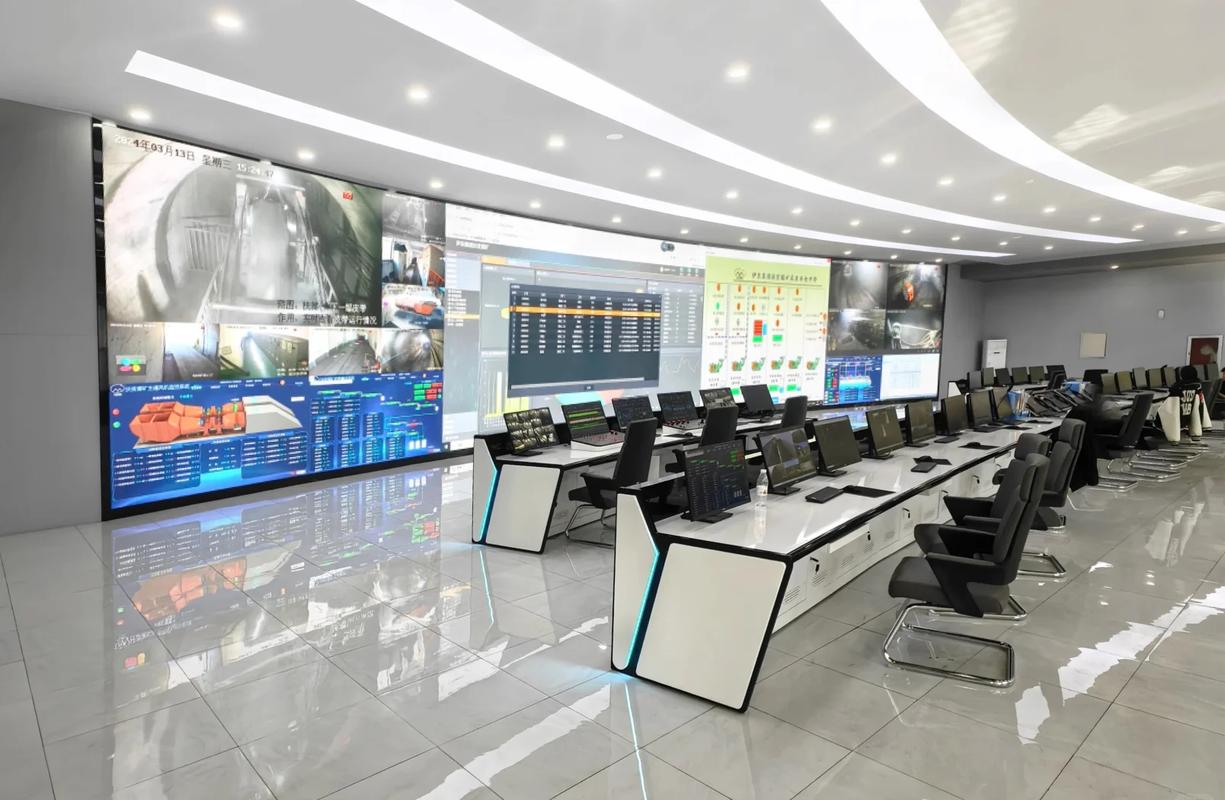
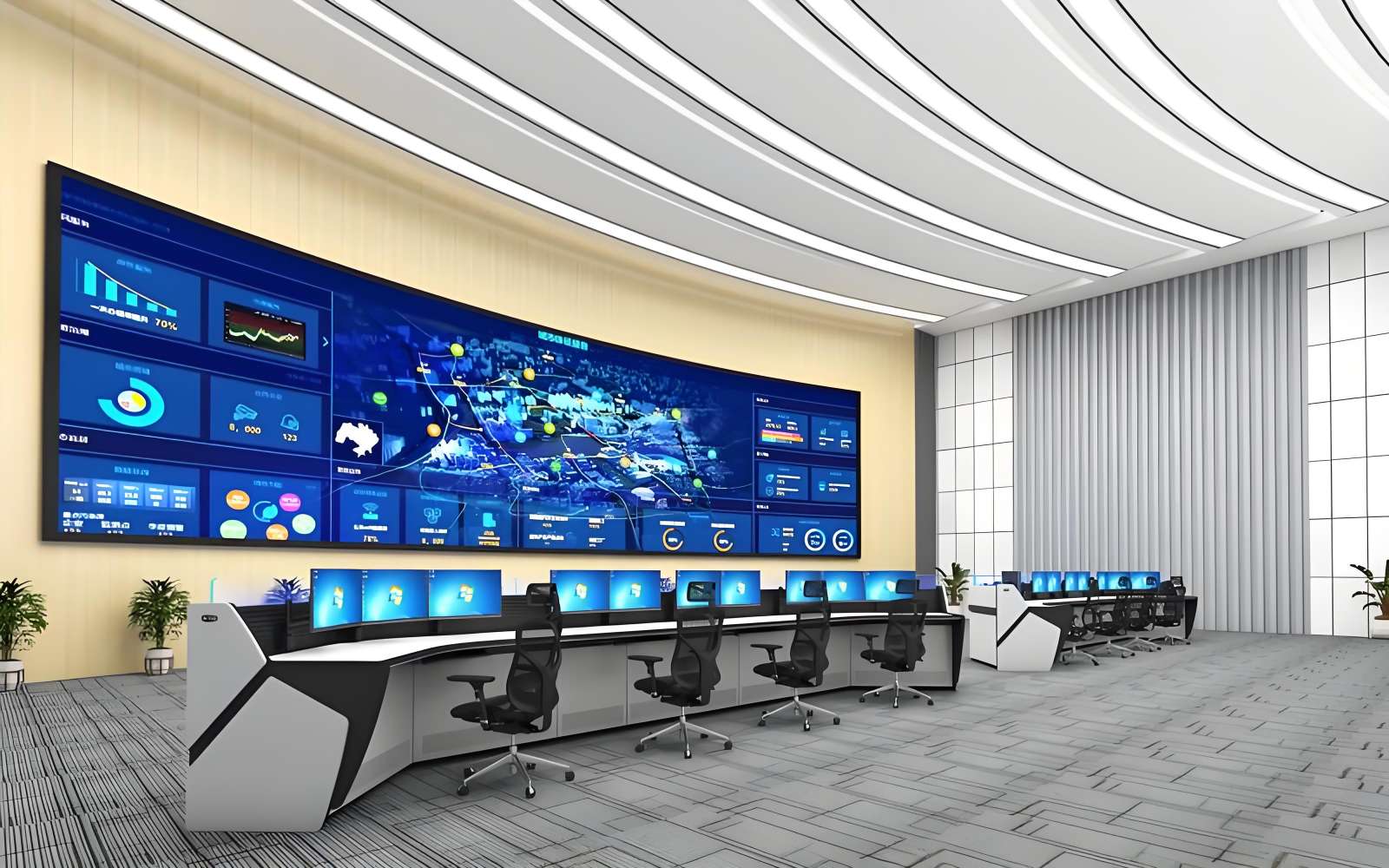
Dispatch Console ສະຫນັບສະຫນູນການຕັດສິນໃຈທີ່ໄວກວ່າແນວໃດ
A dispatch console ສະຫນອງພື້ນທີ່ເຮັດວຽກສະເພາະສໍາລັບອຸປະກອນຕິດຕາມກວດກາ, ຕິດຕໍ່ສື່ສານກັບທີມງານ, ແລະການຄຸ້ມຄອງຂໍ້ມູນການດໍາເນີນງານ. ການປະກອບສ່ວນຂອງມັນຕໍ່ການຕອບໂຕ້ສຸກເສີນແມ່ນຂຶ້ນກັບວ່າບ່ອນເຮັດວຽກ, ລະບົບການສື່ສານ ແລະເຄື່ອງມືດິຈິຕອນເຮັດວຽກຮ່ວມກັນໄດ້ດີປານໃດ.
ການນໍາເອົາຂໍ້ມູນທີ່ສໍາຄັນເຂົ້າໄປໃນມຸມເບິ່ງດຽວ
ຫ້ອງຄວບຄຸມການປະສານງານສາມາດສະແດງຂໍ້ຄວາມປຸກ, ສະພາບອຸປະກອນ, ສະຖານທີ່ເກີດເຫດ, ແລະຄວາມຄືບຫນ້າການຕອບສະຫນອງໃນຮູບແບບທີ່ສອດຄ່ອງ. ຜູ້ປະຕິບັດການສາມາດກໍານົດເຫດການທີ່ຮຽກຮ້ອງໃຫ້ມີຄວາມສົນໃຈໃນທັນທີໂດຍບໍ່ມີການຄົ້ນຫາຊ້ໍາຊ້ອນໃນທົ່ວການໂຕ້ຕອບທີ່ຕັດການເຊື່ອມຕໍ່.
ຕົວຢ່າງ, ໃນລະຫວ່າງການຂັດຂວາງພະລັງງານໃນພາກພື້ນ, ຜູ້ປະຕິບັດງານອາດຈະຕ້ອງປຽບທຽບສະຖານີຍ່ອຍທີ່ໄດ້ຮັບຜົນກະທົບ, ທົບທວນຄືນສັນຍານເຕືອນອຸປະກອນ, ແລະຕິດຕໍ່ສື່ສານກັບທີມງານບໍາລຸງຮັກສາ. ຮູບແບບຄອນໂຊນທີ່ຈັດເປັນລະບຽບດີຈະຊ່ວຍໃຫ້ວຽກງານເຫຼົ່ານີ້ເບິ່ງເຫັນໄດ້ ແລະຫຼຸດຜ່ອນການເຄື່ອນໄຫວທີ່ບໍ່ຈໍາເປັນລະຫວ່າງບ່ອນເຮັດວຽກ.
ປັບປຸງການສື່ສານລະຫວ່າງທີມງານ
ການຕອບໂຕ້ສຸກເສີນມັກຈະກ່ຽວຂ້ອງກັບຫຼາຍໆພະແນກທີ່ເຮັດວຽກພາຍໃຕ້ຄວາມກົດດັນເວລາ. ຜູ້ປະຕິບັດການຈັດສົ່ງຈໍາເປັນຕ້ອງແບ່ງປັນຄໍາແນະນໍາທີ່ຖືກຕ້ອງ, ບັນທຶກການປັບປຸງທີ່ສໍາຄັນ, ແລະຕິດຕາມວ່າການປະຕິບັດທີ່ໄດ້ຮັບມອບຫມາຍໄດ້ຖືກສໍາເລັດ.
ສະພາບແວດລ້ອມການຈັດສົ່ງແບບປະສົມປະສານສາມາດສະຫນັບສະຫນູນການສື່ສານຜ່ານລະບົບໂທລະສັບທີ່ເຊື່ອມຕໍ່, ອຸປະກອນວິທະຍຸ, ສະຖານີຂໍ້ມູນ, ແລະຈໍສະແດງຜົນທີ່ໃຊ້ຮ່ວມກັນ. ການຈັດວາງອຸປະກອນທີ່ຊັດເຈນ ແລະການຈັດການສາຍເຄເບີ້ນທີ່ຈັດເປັນລະບຽບຍັງຊ່ວຍໃຫ້ການຄວບຄຸມທີ່ຈຳເປັນສາມາດເຂົ້າເຖິງໄດ້ໃນລະຫວ່າງການດໍາເນີນງານທີ່ຂະຫຍາຍອອກໄປ.
ຈຸດປະສົງບໍ່ພຽງແຕ່ເພື່ອເພີ່ມຄວາມໄວໃນການສື່ສານ. ມັນແມ່ນການຫຼຸດຜ່ອນຄວາມເຂົ້າໃຈຜິດແລະໃຫ້ແນ່ໃຈວ່າຂໍ້ມູນທີ່ກ່ຽວຂ້ອງໄປຫາຄົນທີ່ຖືກຕ້ອງໃນເວລາທີ່ເຫມາະສົມ.
ເທກໂນໂລຍີອັດສະລິຍະສາມາດຄາດເດົາບັນຫາຕໍ່ໄປໄດ້ບໍ?
ການຕິດຕາມດິຈິຕອນແລະການວິເຄາະຂໍ້ມູນແມ່ນການສ້າງໂອກາດໃຫມ່ສໍາລັບສູນການຈັດສົ່ງ. ແທນທີ່ຈະລໍຖ້າຜູ້ປະຕິບັດການສັງເກດເຫັນທຸກໆການອ່ານທີ່ຜິດປົກກະຕິ, ລະບົບເຊື່ອມຕໍ່ສາມາດກໍານົດຮູບແບບທີ່ຜິດປົກກະຕິແລະອອກການແຈ້ງເຕືອນໂດຍອີງໃສ່ຂອບເຂດທີ່ກໍານົດໄວ້ຫຼືຮູບແບບການວິເຄາະ.
ຕົວຢ່າງ, ສັນຍານເຕືອນອຸປະກອນທີ່ຊ້ໍາຊ້ອນບວກກັບອຸນຫະພູມການດໍາເນີນງານທີ່ເພີ່ມຂຶ້ນອາດຈະຊີ້ໃຫ້ເຫັນເຖິງຄວາມຜິດທີ່ກໍາລັງພັດທະນາ. ເວທີການຕິດຕາມສາມາດເນັ້ນໃສ່ຮູບແບບດັ່ງກ່າວ, ໃຫ້ຜູ້ປະຕິບັດການສືບສວນກ່ອນທີ່ສະຖານະການຈະຮ້າຍແຮງຂຶ້ນ.
ປັນຍາທຽມອາດຈະສະຫນັບສະຫນູນການຈັດປະເພດເຫດການ, ການດຶງຂໍ້ມູນ, ແລະການກະກຽມບົດສະຫຼຸບການດໍາເນີນງານ. ຢ່າງໃດກໍ່ຕາມ, ການຄາດຄະເນແມ່ນເປັນປະໂຫຍດພຽງແຕ່ໃນເວລາທີ່ຂໍ້ມູນພື້ນຖານແມ່ນຖືກຕ້ອງແລະການແຈ້ງເຕືອນແມ່ນເຂົ້າໃຈໄດ້. ການຕັດສິນໃຈສຸກເສີນຍັງຮຽກຮ້ອງໃຫ້ມີຂັ້ນຕອນການສ້າງຕັ້ງຂຶ້ນ, ການຕັດສິນຂອງມະນຸດ, ແລະຄວາມຮັບຜິດຊອບທີ່ຈະແຈ້ງ.
ອັນຄອນໂຊລອັດສະລິຍະຂອງສູນການຈັດສົ່ງດັ່ງນັ້ນຈຶ່ງເຮັດວຽກທີ່ດີທີ່ສຸດເປັນສ່ວນຫນຶ່ງຂອງສະພາບແວດລ້ອມການດໍາເນີນງານທີ່ມີການປະສານງານແທນທີ່ຈະເປັນຊິ້ນສ່ວນຂອງເຟີນີເຈີແບບດ່ຽວຫຼືລະບົບການຕັດສິນໃຈທີ່ເປັນເອກະລາດ.
ປັດໄຈການອອກແບບໃດສໍາຄັນຢູ່ໃນຫ້ອງຄວບຄຸມສຸກເສີນ?
ສະຖານີເຮັດວຽກທາງດ້ານຮ່າງກາຍຍັງຄົງມີຄວາມສໍາຄັນເຖິງແມ່ນວ່າລະບົບດິຈິຕອນກາຍເປັນກ້າວຫນ້າທາງດ້ານຫຼາຍ. ຜູ້ປະຕິບັດງານອາດຈະເຮັດວຽກສໍາລັບການປ່ຽນແປງທີ່ຍາວນານ, ຕິດຕາມກວດກາການສະແດງຜົນຫຼາຍ, ແລະຕອບສະຫນອງຕໍ່ເຫດການທີ່ມີການເຕືອນໄພເລັກນ້ອຍ. ການຈັດວາງທີ່ບໍ່ດີສາມາດເພີ່ມຄວາມເຄັ່ງຕຶງທາງດ້ານຮ່າງກາຍແລະຈິດໃຈທີ່ບໍ່ຈໍາເປັນເຂົ້າໃນບົດບາດທີ່ຕ້ອງການແລ້ວ.
| ການພິຈາລະນາການອອກແບບ | ເປັນຫຍັງມັນຈຶ່ງສຳຄັນໃນຍາມສຸກເສີນ |
|---|---|
| ການຈັດລຽງຫນ້າຈໍ | ຮັກສາການແຈ້ງເຕືອນທີ່ສໍາຄັນແລະທັດສະນະການດໍາເນີນງານພາຍໃນສາຍຕາ |
| ການ Ergonomics | ຮອງຮັບການໃຊ້ງານທີ່ສະດວກສະບາຍໃນລະຫວ່າງການເລື່ອນການຂະຫຍາຍ |
| ການເຂົ້າເຖິງອຸປະກອນ | ເຮັດໃຫ້ອຸປະກອນການສື່ສານ ແລະການຄວບຄຸມເຂົ້າເຖິງງ່າຍຂຶ້ນ |
| ການຈັດການສາຍ | ຮັກສາການເຊື່ອມຕໍ່ ແລະພື້ນທີ່ເຮັດວຽກເປັນລະບຽບ |
| ຮູບແບບໂມດູນ | ຊ່ວຍຮອງຮັບການປ່ຽນແປງອຸປະກອນແລະຄວາມຕ້ອງການຂອງລະບົບ |
| ການເຂົ້າເຖິງການບໍາລຸງຮັກສາ | ເຮັດໃຫ້ການກວດກາ ແລະການບໍລິການອຸປະກອນທີ່ຕິດຕັ້ງງ່າຍ |
ການພິຈາລະນາເຫຼົ່ານີ້ແມ່ນມີຄວາມກ່ຽວຂ້ອງໃນທົ່ວເຄືອຂ່າຍໄຟຟ້າ, ລະບົບການຂົນສົ່ງ, ສະຖານທີ່ຄວາມປອດໄພສາທາລະນະ, ໂຮງງານອຸດສາຫະກໍາ, ແລະສະພາບແວດລ້ອມອື່ນໆທີ່ມີຄວາມຈໍາເປັນໃນການຕິດຕາມຢ່າງຕໍ່ເນື່ອງ.
ຮູບແບບຄວນສະທ້ອນເຖິງຂັ້ນຕອນການເຮັດວຽກຕົວຈິງ. ສໍາລັບຕົວຢ່າງ, ຫ້ອງການຂົນສົ່ງການຂົນສົ່ງອາດຈະຈັດລໍາດັບຄວາມສໍາຄັນຂອງຂໍ້ມູນເສັ້ນທາງແລະອຸປະກອນການສື່ສານ, ໃນຂະນະທີ່ຫ້ອງຄວບຄຸມອຸດສາຫະກໍາອາດຈະເນັ້ນຫນັກໃສ່ການຕິດຕາມກວດກາຂະບວນການແລະອຸປະກອນການເຕືອນໄພຫຼາຍກວ່າເກົ່າ.
ການວັດແທກວ່າການຕອບໂຕ້ສຸກເສີນໄດ້ປັບປຸງຫຼືບໍ່
ຮູບແບບຄອນໂຊນໃຫມ່ຫຼືການໂຕ້ຕອບດິຈິຕອນຄວນໄດ້ຮັບການປະເມີນໂດຍຜ່ານມາດຕະການປະຕິບັດຕົວຈິງແທນທີ່ຈະເປັນລັກສະນະດຽວ. ຕົວຊີ້ວັດທີ່ເປັນປະໂຫຍດລວມມີເວລາທີ່ຕ້ອງການເພື່ອຮັບຮູ້ສັນຍານເຕືອນ, ຄວາມຖືກຕ້ອງຂອງຂໍ້ມູນທີ່ຜ່ານລະຫວ່າງທີມງານ, ເວລາທີ່ຈໍາເປັນເພື່ອກໍານົດເຫດການ, ແລະຈໍານວນຄວາມຜິດພາດຂອງການສື່ສານທີ່ບັນທຶກໄວ້ໃນລະຫວ່າງການຝຶກຊ້ອມ.
ການອອກກໍາລັງກາຍສຸກເສີນສາມາດເປີດເຜີຍບັນຫາທີ່ການດໍາເນີນງານປົກກະຕິອາດຈະບໍ່ເປີດເຜີຍ. ຖ້າຜູ້ປະຕິບັດການພາດການແຈ້ງເຕືອນດຽວກັນຊໍ້າແລ້ວຊໍ້າອີກຫຼືມີຄວາມຫຍຸ້ງຍາກໃນການຊອກຫາການຄວບຄຸມທີ່ສໍາຄັນ, ບັນຫາອາດຈະກ່ຽວຂ້ອງກັບການຈັດຕັ້ງຫນ້າຈໍ, ການອອກແບບຂັ້ນຕອນການເຮັດວຽກ, ຫຼືການຝຶກອົບຮົມແທນທີ່ຈະເປັນເຕັກໂນໂລຢີການຕິດຕາມຕົວມັນເອງ.
ການທົບທວນຄືນເປັນປົກກະຕິຍັງຊ່ວຍໃຫ້ພະແນກເຂົ້າໃຈວ່າລະບົບຂອງພວກເຂົາສະຫນອງທັດສະນະຮ່ວມກັນກ່ຽວກັບເຫດການແລະວ່າຂັ້ນຕອນການສື່ສານສໍາຮອງຍັງສາມາດເຂົ້າເຖິງໄດ້ບໍເມື່ອລະບົບຕົ້ນຕໍລົ້ມເຫລວ.
ບົດບາດຂອງການອອກແບບຄອນໂຊນໃນສູນການຈັດສົ່ງໃນອະນາຄົດ
ເນື່ອງຈາກສູນການຈັດສົ່ງເຊື່ອມຕໍ່ອຸປະກອນຕິດຕາມ, ແພລະຕະຟອມການສື່ສານ, ແລະເຄື່ອງມືການວິເຄາະຫຼາຍຂື້ນ, ການອອກແບບສະຖານີເຮັດວຽກຕ້ອງຕິດຕາມຄວາມຕ້ອງການຂອງການດໍາເນີນງານ. Tianjin Temery Metal Products Co., Ltd ຜະລິດ consoles ຕິດຕາມກວດກາ, consoles ຄວບຄຸມ, dispatch consoles, ຕູ້ເຄືອຂ່າຍ, ແລະວິດີໂອກໍາແພງຫີນລະບົບ. ໂຮງງານຜະລິດຂອງຕົນໃນທຽນຈິນປະກອບມີອຸປະກອນການປຸງແຕ່ງ CNC ທີ່ທັນສະໄຫມແລະສະຖານທີ່ການຜະລິດປະມານ 10,000 ຕາແມັດ, ສະຫນັບສະຫນູນການເຮັດວຽກຂອງຕົນໃນອຸປະກອນຫ້ອງຄວບຄຸມໂລຫະ.
ທ່າອ່ຽງຂອງອຸດສາຫະກໍາທີ່ກວ້າງຂວາງແມ່ນໄປສູ່ສະພາບແວດລ້ອມການຄວບຄຸມທີ່ປະສົມປະສານຮູບແບບທາງດ້ານຮ່າງກາຍທີ່ຊັດເຈນກັບລະບົບຂໍ້ມູນເຊື່ອມຕໍ່. ເທກໂນໂລຍີສາມາດຊ່ວຍໃຫ້ຜູ້ປະຕິບັດການກໍານົດເຫດການແລະການປະສານງານການຕອບສະຫນອງ, ແຕ່ການຈັດການສຸກເສີນທີ່ມີປະສິດທິພາບຍັງຂຶ້ນກັບບຸກຄະລາກອນທີ່ໄດ້ຮັບການຝຶກອົບຮົມ, ການສື່ສານທີ່ເຊື່ອຖືໄດ້, ຂັ້ນຕອນການປະຕິບັດ, ແລະພື້ນທີ່ເຮັດວຽກທີ່ມີການຈັດຕັ້ງທີ່ດີ.
ໃນທີ່ສຸດ, ເປັນຄອນໂຊລອັດສະລິຍະຂອງສູນການຈັດສົ່ງສາມາດປັບປຸງການຕອບສະຫນອງສຸກເສີນເມື່ອການອອກແບບຂອງມັນສະຫນັບສະຫນູນການເຂົ້າເຖິງຂໍ້ມູນໄວຂຶ້ນ, ການປະສານງານທີ່ຊັດເຈນກວ່າ, ແລະການຕັດສິນໃຈທີ່ສອດຄ່ອງຫຼາຍຂຶ້ນ. ມູນຄ່າຂອງມັນບໍ່ໄດ້ຢູ່ໃນຈໍານວນຫນ້າຈໍຫຼືການປະກົດຕົວຂອງຄຸນສົມບັດຂັ້ນສູງ, ແຕ່ມັນຊ່ວຍໃຫ້ຄົນຕອບສະຫນອງຢ່າງມີປະສິດທິພາບໃນທຸກໆນາທີທີ່ສໍາຄັນ.
ທີ່ຜ່ານມາ :
-
ຂ່າວທີ່ກ່ຽວຂ້ອງ
- ເປັນຫຍັງຕູ້ຫ້ອງຄອມພິວເຕີແບບໂມດູລາຈຶ່ງພັດທະນາສຳລັບສູນຂໍ້ມູນ AI
- ການເຮັດວຽກທີ່ງຽບສະຫງົບຂອງໂຄງສ້າງພື້ນຖານທີ່ສໍາຄັນ: ເປັນຫຍັງການຕິດຕາມກວດກາຮາດແວ Console ສົມຄວນໄດ້ຮັບຮອບການຍົກລະດັບຂອງຕົນເອງ
- ຄອນໂຊລຕິດຕາມກວດກາຂອງມື້ອື່ນຈະຖືກເປີດໃຊ້ດ້ວຍສຽງແລະຄາດຄະເນແທນທີ່ຈະພຽງແຕ່ສະແດງຕົວເລກບໍ?
- ຂໍ້ໄດ້ປຽບຂອງຫ້ອງຄອມພິວເຕີ modular
- ໜ້າທີ່ຫຼັກຂອງຄອນໂຊນປະຕິບັດງານ
- ເຈົ້າສາມາດເລືອກຕູ້ເຄືອຂ່າຍທີ່ເຫມາະສົມສໍາລັບທຸລະກິດຂອງທ່ານໄດ້ແນວໃດ?
ຝາກຂໍ້ຄວາມໃຫ້ຂ້ອຍ